MS Trust logo
Contact our MS helpline 0800 032 38 39
Donate
Donate
Menu Close
Contact our MS helpline 0800 032 38 39

Main navigation

  • MS information & support
    • About MS
      • Newly diagnosed
      • Young people and MS
      • Living with advanced MS
      • Causes of MS
      • How common is multiple sclerosis?
      • Types of MS
      • What is MS?
    • Symptoms & diagnosis
      • Worried you have MS?
      • Signs and symptoms
      • How is MS diagnosed?
      • What's causing my symptoms?
      • MS relapses and their management
    • Drugs & treatments
      • How is MS treated?
      • Disease modifying therapies (DMTs)
      • DMTs approved for use in the UK
      • Compare disease modifying therapies (DMTs)
      • Drugs in development
      • Treatment finder
      • Non-drug therapies
    • Health & wellbeing
      • Thinking and memory problems
      • Staying Smart
      • Exercise
      • Diet and MS
      • Wellbeing
    • Family, care & money
      • Relationships and family life
      • Care and carers
      • Home and travel
      • Work, money and legal
    • Support & services
      • Contact our MS helpline
      • MS services near me
      • My MS expert
      • Order a free MS publication
      • Listen to our podcast
      • Join our Facebook group
      • Find support groups
  • A-Z of MS
  • Get involved
    • Donate
      • Make a donation
      • Make a regular donation
      • Donate in memory
      • Other ways to donate
      • Gift Aid
    • Fundraise
      • MS Trust Exclusives
      • Do it your way
      • Trekking and walking events
      • Running events
      • Cycling events
      • Daredevil events
      • Fundraise while you shop
      • Get your fundraising guide
      • Pay in your fundraising
    • Raise awareness
      • Bring Your MS to Work
      • World MS Day 2026
      • MS Awareness Week 2026
    • Volunteer
    • Leave a gift in your will
    • Corporate fundraising
      • Corporate giving
      • Payroll giving
      • Pharmaceutical and other industry supporters
  • News & stories
    • Latest news & stories
    • Keep up to date
      • Sign up for updates
      • Update your address
    • Send us your story
  • Research
    • Our research
    • For researchers
    • Our research leadership
    • Studies we support
  • For health professionals
    • Resources
      • Clinical learning
      • Professional development
      • Service development
    • Courses & training
      • Funding your learning
      • MS Trust conference
      • Development Module
      • Study days
      • External courses
    • Therapists in MS (TiMS)
      • About TiMS
      • Meet the TiMS working group
      • TiMS resources
      • TiMS newsletters
      • Join the TiMS network
    • Order publications
    • Latest
      • Latest news for HPs
      • Keep in touch
      • MS in Practice
    • Programmes
      • Advanced MS Champions programme
      • Case studies
      • MS Forward View
  • Shop
Image

Flu jab

Influenza or 'flu' is a highly infectious disease that causes unpleasant symptoms, including fever, aches, sore throat, fatigue and nausea. If you have MS, catching the flu can make your MS symptoms worse. You may notice this particularly if you find that your MS symptoms get worse in the heat.

Information - A-Z
Image
Information

Fluoxetine (Prozac)

Fluoxetine is normally prescribed to treat depression. Exploratory studies have also looked at whether it might help reduce inflammation around nerves in MS.
Information - A-Z
Image

Foot drop

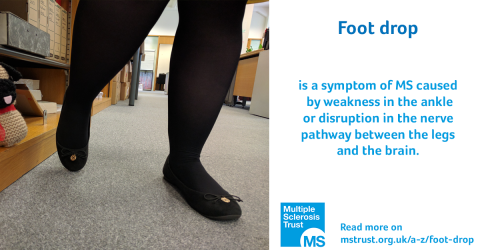
Foot drop, or dropped foot, is a symptom of multiple sclerosis caused by disruption in the nerve pathway between the legs and the brain. Find out how foot drop is treated in MS.
Information - A-Z
Image
senior woman looking out window

Frailty

Frailty is the decline in our mental and physical resilience related to the ageing process. Find out more about frailty in this A to Z page.
Information - A-Z
Image

Functional electrical stimulation (FES)

Functional electrical stimulation (FES) is a treatment that applies small electrical charges to a muscle that has become paralysed or weakened, due to damage in your brain or spinal cord. The electrical charge stimulates the muscle to make its usual movement. In MS it is mostly used as a treatment for foot drop, where disruptions in the nerve pathways between the legs and brain mean the front of your foot cannot be lifted to the correct angle when walking.
Information - A-Z
Image
Nurse with patient

Functional Neurological Disorder (FND) and MS

FND and functional symptoms can be common in people with MS. These symptoms can be treated and reversed with therapy.
Information - A-Z
Image

Generic and biosimilar drugs in MS

Generic and biosimilar drugs including DMDs or DMTs are becoming more common in multiple sclerosis (MS). We explain what they are and how they might be used.
Information - A-Z
Image

Giving blood and bone marrow

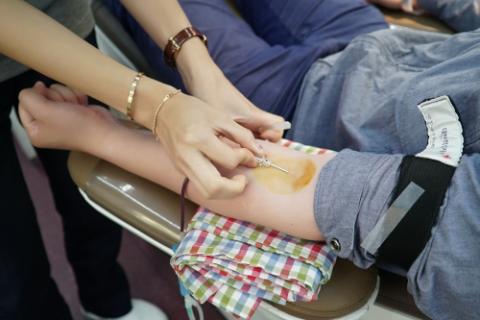
People who have been diagnosed with multiple sclerosis (MS) cannot donate blood or bone marrow, however they can be considered as organ donors. Learn more in this A-Z entry.
Information - A-Z
Image

Glial cells

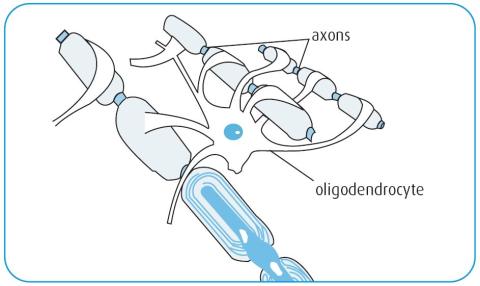
Glial cells are the support network for your nerve cells. They provide energy and myelin to allow the neurons to work. Find out more about glia in MS in this A-Z entry.
Information - A-Z
  • Load More

Footer Menu

  • What we do
  • Contact us
  • Online shop
  • Work for us
  • Press / Media
  • Accessibility
  • Policies
Donate
MS Trust logo with strapline

Multiple Sclerosis Trust

Spirella Building, Bridge Road, Letchworth Garden City, Hertfordshire, SG6 4ET

Call: 01462 536007

Email: hello@mstrust.org.uk

Charity number: 1088353

Registered as a limited company in England and Wales: 4247766

Fundraising Standards Board

Website by: Versantus

  • MS information & support
    • About MS
      • Newly diagnosed
      • Young people and MS
      • Living with advanced MS
      • Causes of MS
      • How common is multiple sclerosis?
      • Types of MS
      • What is MS?
    • Symptoms & diagnosis
      • Worried you have MS?
      • Signs and symptoms
      • How is MS diagnosed?
      • What's causing my symptoms?
      • MS relapses and their management
    • Drugs & treatments
      • How is MS treated?
      • Disease modifying therapies (DMTs)
      • DMTs approved for use in the UK
      • Compare disease modifying therapies (DMTs)
      • Drugs in development
      • Treatment finder
      • Non-drug therapies
    • Health & wellbeing
      • Thinking and memory problems
      • Staying Smart
      • Exercise
      • Diet and MS
      • Wellbeing
    • Family, care & money
      • Relationships and family life
      • Care and carers
      • Home and travel
      • Work, money and legal
    • Support & services
      • Contact our MS helpline
      • MS services near me
      • My MS expert
      • Order a free MS publication
      • Listen to our podcast
      • Join our Facebook group
      • Find support groups
  • A-Z of MS
  • Get involved
    • Donate
      • Make a donation
      • Make a regular donation
      • Donate in memory
      • Other ways to donate
      • Gift Aid
    • Fundraise
      • MS Trust Exclusives
      • Do it your way
      • Trekking and walking events
      • Running events
      • Cycling events
      • Daredevil events
      • Fundraise while you shop
      • Get your fundraising guide
      • Pay in your fundraising
    • Raise awareness
      • Bring Your MS to Work
      • World MS Day 2026
      • MS Awareness Week 2026
    • Volunteer
    • Leave a gift in your will
    • Corporate fundraising
      • Corporate giving
      • Payroll giving
      • Pharmaceutical and other industry supporters
  • News & stories
    • Latest news & stories
    • Keep up to date
      • Sign up for updates
      • Update your address
    • Send us your story
  • Research
    • Our research
    • For researchers
    • Our research leadership
    • Studies we support
  • For health professionals
    • Resources
      • Clinical learning
      • Professional development
      • Service development
    • Courses & training
      • Funding your learning
      • MS Trust conference
      • Development Module
      • Study days
      • External courses
    • Therapists in MS (TiMS)
      • About TiMS
      • Meet the TiMS working group
      • TiMS resources
      • TiMS newsletters
      • Join the TiMS network
    • Order publications
    • Latest
      • Latest news for HPs
      • Keep in touch
      • MS in Practice
    • Programmes
      • Advanced MS Champions programme
      • Case studies
      • MS Forward View
  • Shop