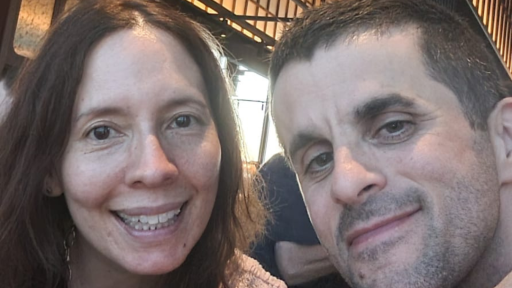
Kezia, offers her perspective on ways to manage fatigue when living with MS. Highlighting the need to manage fatigue in a realistic way and prioritising yourself, to help deal with fatigue.
How MS fatigue shows up for me
Living with MS for 18 years means that fatigue has been part of my life for a long time. When I first experienced fatigue, I often tried to push through it. Now, I make sure to listen to my fatigue signals and put things in place to help me manage it.
Being fatigued is not the same as being tired. It is complete exhaustion, to the point where it becomes hard to move, focus, and manage daily activities. For me personally, it feels as though my body becomes heavier and I struggle to do anything at all.
It's as if your body is filled with sand.
Warning signs and triggers
My first warning sign is always my eyes. My vision becomes impaired, as if a thin mist has drifted into my sight. Being able to recognise this early warning sign means I can actively respond and take steps to manage my fatigue.
Cognitively, fatigue steals my focus. If more than one person is talking or there is background noise, my brain simply can’t filter it. Emotionally, fatigue can feel incredibly heavy. There are days when frustration creeps in because I can’t do everything I want to do, or everything I used to do. That emotional weight is very real, and learning not to judge myself for it has taken time.
Some tasks drain me far more than others. Anything that requires standing still for short periods of time such as hanging washing, can feel very difficult. Tasks that require balance—like hoovering or gardening—are especially exhausting, sometimes I make it worse by boredom pushing me to do more than I should. Cluttered spaces are another challenge; navigating around chairs, desks, or scattered items takes intense concentration, which uses even more energy.
Managing fatigue in a realistic way
When working, I struggled to manage my fatigue. To help me manage my fatigue more effectively, I became self employed as I work as a beautician, this meant I was able to schedule clients around my own timetable and make sure I work when my energy is at its most optimal. For me, this is in the morning, and I build gaps into my day so I can rest.
Managing my time is key to managing my fatigue. I use my energy wisely by planning work for my most optimal times, while also prioritising physio and tai chi. I even schedule bath time, as this is my downtime and something I actively choose to prioritise.
Self-care is my first priority.
When I feel overwhelmed by my to‑do list, I use a dice‑rolling technique. I limit myself to six key tasks, number them from one to six, and roll a dice to decide which one to do next. This removes the burden of decision-making and keeps the list achievable.
I also make the most of my environment and technology. I use Alexa speakers to set reminders for deadlines and appointments. This means I don’t have to spend valuable energy remembering or worrying about schedules—I know it’s already taken care of.
Seeking support
MS fatigue is hard to live with, but there is a great deal of support available. For a long time, I was scared to disclose my MS and hid it for over a decade. Being honest about it, however, gave me power in managing my condition. Now, when fatigue hits, I make sure to pause. I meditate, sit in silence, or take a nap. I delegate both at work and at home to protect my energy and look after myself.
My best advice is to speak to yourself the way you would speak to your best friend—without shame, with kindness and genuine concern. That shift in mindset can help you seek the support you need. There is no shame in stopping, resting, or doing things differently.
Be honest, but don't give up.
Through MS Trust, I have been able to put vital support in place that has helped me live my life better. They supported me in having important conversations that led to a downstairs wet room, which enabled me to continue living and working in my home. They also provided information to help me access a mobility scooter, which has made a real difference in managing my fatigue.
MS Trust is a lifeline to so many.
Living with MS has taught me that life may slow down, but it doesn’t stop. With the right support, honest conversations, and a willingness to adapt, it is still possible to work, contribute, and live with optimism.
Keep up-to-date with the latest MS news, explore new research, read the stories of people living with MS, find out practical tips from MS experts, and discover exciting fundraising opportunities
If you would like to sign up for post or telephone (SMS) updates you can complete our sign up form here