30 September 2026
Recognising excellence in women’s MS research
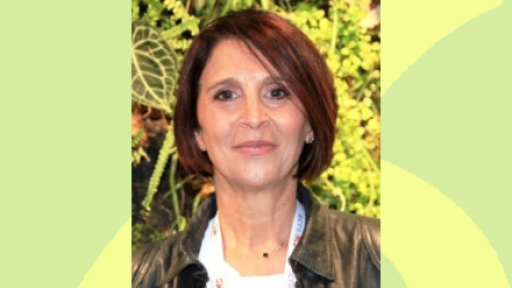
Professor Sandra Vukusic has won the 2026 Rachel Horne Prize for research that has improved pregnancy, treatment and care for women living with MS.
16 December 2025

The Attack-MS clinical trial has recently reopened recruitment. This trial aims to find out whether rapid diagnosis and effective treatment of MS can prevent progression in later life.
The Attack-MS researchers are investigating what happens if MS is recognised and diagnosed very early, and treated with a highly effective disease modifying drug. They think that people whose MS is treated this way may not develop the enlarging regions of nerve damage known as smouldering lesions.
Smouldering lesions are thought to lead to MS progression in later life. Previous research has indicated that smouldering lesions do not form for the first 1 to 2 years after MS develops. If the MS is treated fast and effectively, the researchers hope that these people will not develop smouldering lesions and experience less MS progression and disability in their lives.
The research team hope that they can establish a rapid treatment protocol so that someone with a new and serious onset of MS can be recognised, diagnosed and treated within days. This would be similar to the situation for people who have had a stroke or bleed in the brain.
Doctors and nurses in emergency departments (A&E) have the FAST protocol to help them identify people who have had a suspected stroke. There are clear national guidelines that have been shown to improve outcomes and save lives of people who have had a stroke.
A diagnosis of MS does not always begin with a hospital visit. This trial will be focusing only those people who have a serious medical event at the start of their MS journey. However, if the trial succeeds, it could pave the way for faster routes to diagnosis and treatment for MS more generally.
The Attack-MS trial is based at hospitals in London, using natalizumab and a placebo or dummy treatment. People on the active arm of the trial will be given natalizumab for six months. People on the placebo arm of the trial will get the dummy drug for 3 months and then switch to natalizumab for 3 months.
At the end of the trial, all participants can stay on natalizumab or switch to another DMD if they prefer. People taking part in this trial would need to have several MRI scans and blood tests, but there is no requirement to have a lumbar puncture unless medically needed.
The team hope to recruit 40 people for the trial. They need to live close enough to London for regular testing and appointments, and be under 55 years old. Attack-MS is recruiting directly from emergency departments, including neurological A&E and ophthalmological (eye) emergencies.
The team need trial participants to be have had an MRI and diagnosis of CIS or MS and join the trial within 14 days. This could be challenging. The Attack-MS team are contacting all emergency departments to make them aware of the trial and the need for urgency.
The Attack-MS researchers think it will be hard to recruit people to the trial, because people with MS might not get to hospital quickly enough to take part. They are encouraging people who already have or understand MS to look out for people they know who might be showing early signs of MS. These could be friends or family members.
People showing serious early signs of MS who live in or close to London should be encouraged to get to a hospital for tests.
Information about the Attack-MS clinical trial : Find out more and join the trial.
What happens when you treat MS early? : Our podcast with the Attack-MS researchers.
Early signs and symptoms of MS : More information on what MS symptoms to look out for.
How is MS diagnosed? : The procedures involved in diagnosing MS.
Keep up-to-date with the latest MS news, explore new research, read the stories of people living with MS, find out practical tips from MS experts, and discover exciting fundraising opportunities
If you would like to sign up for post or telephone (SMS) updates you can complete our sign up form here