30 September 2026
Recognising excellence in women’s MS research
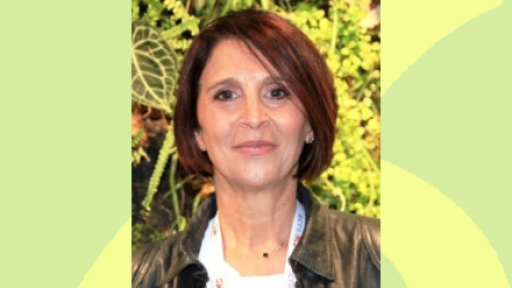
Professor Sandra Vukusic has won the 2026 Rachel Horne Prize for research that has improved pregnancy, treatment and care for women living with MS.
22 May 2026

With the launch of a new grants portal, MS Trust is excited to begin funding research rooted in real experience which will make a tangible difference to the lives of people living with MS. In this blog Sarah Roderick, Interim Head of Research at MS Trust, highlights the importance of practice based research in driving improvement in MS care.
While many people in the MS community, quite rightly look forward to the day research discovers a cure for multiple sclerosis, improving care for people living with the disease requires more than breakthroughs in the lab. It demands real world solutions embedded in everyday clinical practice. That’s why at MS Trust our research programme is focused on supporting clinician-led, practice-based studies that strengthen MS services and tackle inequalities in diagnosis, treatment, and support.
By investing in research that directly informs how care is delivered, we aim to create a future where everyone with MS feels more in control of their condition, no matter their background or circumstances.
Our annual open grant round is at the heart of this work. With a total fund of £100,000 available each year, we support one or more clinician-led research projects designed to improve MS services in practical, meaningful ways.
We focus on applied research that strengthens multidisciplinary care, encourages collaboration across the MDT, addresses inequalities, and has clear potential to influence clinical pathways and service delivery.
Applications are carefully reviewed by an expert panel that includes clinicians, researchers, and people living with MS. Final funding decisions are made with a strong emphasis on transparency, fairness, and representation.
Applications for our 2026 open grant round will open on World MS Day - 30 May 2026 and will stay open for 3 months.
If you are a clinician with a research idea that could improve MS care, we encourage you to apply. Your work could help transform services, reduce inequalities, and make a lasting difference for people living with MS.
We are particularly interested in research that aligns with emerging NHS priorities, including the Neighbourhood Care Model and the Neurology Transformation agenda. This approach ensures people with MS receive timely support where they live, helping them stay well for longer. People with MS often interact with multiple professionals across different services, so better coordination will lead to more seamless care and improved outcomes.
We also welcome applications that demonstrate meaningful collaboration across the multidisciplinary team (MDT), recognising that combining different professional perspectives can strengthen research design, improve implementation, and ultimately lead to better outcomes for people living with MS.
We are hoping to receive applications for projects that:
Applications should also:
By supporting clinician-led research, we ensure that studies are grounded in real-world challenges and capable of delivering practical improvements in care. High-quality MS care depends on strong partnerships. That’s why we encourage projects that bring together:
By integrating clinical expertise with community support and lived experience, we can build more holistic, responsive care systems.
Unlike laboratory based research, our programme is focused on generating real-world evidence that can be directly applied to service planning and delivery.
This could include:
These insights help decision-makers understand what works, for whom, and in what context—supporting evidence-based improvements at both local and system levels.
For more information or to apply visit our research pages.
Together, we can build MS services that are more inclusive, more connected, and better equipped to meet the needs of everyone they serve.
Keep up-to-date with the latest MS news, explore new research, read the stories of people living with MS, find out practical tips from MS experts, and discover exciting fundraising opportunities
If you would like to sign up for post or telephone (SMS) updates you can complete our sign up form here