
30 September 2026
Recognising excellence in women’s MS research
Professor Sandra Vukusic has won the 2026 Rachel Horne Prize for research that has improved pregnancy, treatment and care for women living with MS.
25 April 2023

We know that fatigue brings you down more than most MS symptoms.
Our research shows it's second only to mobility problems for its negative effect on your mental health.
It's also a very common MS symptom, and its consequences run deep. Too often it scuppers social plans, home and work life, leaving you feeling isolated and frustrated at missing out on things you’d happily do if you had the energy.
This can have a big impact on how you see yourself as a partner, parent or worker and many understandably find this hugely challenging. It’s why we're using MS Awareness Week to shine the spotlight on your struggles.
So let's start here.
If those around you understand your fatigue better, they can take steps to help you join in when you're up to it. It will help manage expectations and take some of the pressure off you. And it gives them an insight into what MS can throw at you, suddenly and without warning. Because let's face it, MS can take it out on your nearest and dearest too.
The important thing is to keep those communication channels open, so you can still enjoy quality time with loved ones and friends’ invitations keep coming. If you have to duck out of things at the last minute, focus on the plans that can be rearranged so you have something to look forward to.
Try to boost your energy levels using our tips then use these ideas to have fun without overdoing it. This way you may break the link between fatigue and low mood that can feel like it goes round and round in a vicious cycle.
It can be tricky when the word itself seems to downplay the reality. This is no normal tiredness.
MS fatigue knocks you out physically and mentally in a way that’s hard to relate to if you don’t have MS – even with the best will in the world.
Why not ask those close to you to watch our short animation explaining what fatigue feels like? Its real-life examples are a bit of an eye opener if you don’t have MS, and it got some positive feedback from our social media followers for its accurate take.

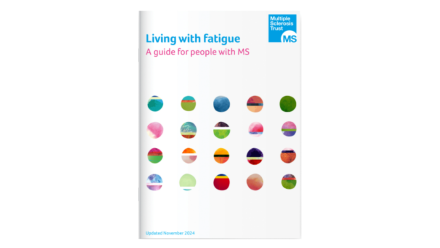
For a more in depth read, try our free Living with fatigue pocket book which is crammed with occupational therapist and physiotherapist insights, coping strategies and practical suggestions.
Don’t beat yourself up about this. Small steps are better than giant ones, figuratively speaking. If you’ve overdone things, you’ll probably find yourself paying the price for some days to come. It helps to make a mental note of the things that trigger fatigue, so you can pace yourself and work around it.
Do listen to our podcast with occupational therapist, Kate Hayward too. She shares tips for family life and work, and explains how heat can make things worse.
Share the load, so you save energy for the things that give life meaning – not just the chores, shopping, ferrying the kids around... Others can make a real difference here and many will jump at the chance to be useful. They’ll appreciate your openness, because fatigue is one of those annoying MS symptoms that keeps hidden, even from those you care about. This support and friendship really are invaluable for your wellbeing.
For MS Awareness Week (24-30 April), we are teaming up with six other multiple sclerosis charities to shine the spotlight on MS and mental health. Want to get involved? Take part in our #MSMakesMe social media campaign about your emotions – good and bad.
Keep up-to-date with the latest MS news, explore new research, read the stories of people living with MS, find out practical tips from MS experts, and discover exciting fundraising opportunities
If you would like to sign up for post or telephone (SMS) updates you can complete our sign up form here