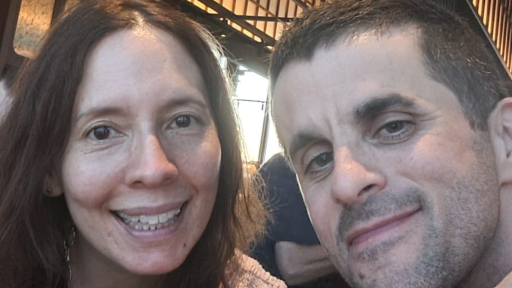
After experiencing symptoms including fatigue, vertigo and optic neuritis, Frances was diagnosed with MS and finally found answers to what was causing her difficulties. Although vertigo continues to have a significant impact on her life, support, information and connections with others have helped her to navigate the challenges of living with MS.
My earliest symptoms included headaches, fatigue, vertigo, falls when walking, optic neuritis and confusion. Before my MS diagnosis, I had also visited doctors about stomach issues, inner ear problems, difficulties with balance and anxiety. At the time, I did not realise that some of what I was experiencing could be connected to multiple sclerosis.
I worked in human resources, specialising in recruitment and was regularly involved in interviewing candidates. I began questioning my judgement about choosing people for the roles and that’s when I realised something was wrong. Fatigue, a general feeling of being unwell and vertigo were becoming overwhelming. I was making mistakes, taking longer to complete tasks and staying beyond my contracted hours to finish my work.
Personally, vertigo has had a significant impact on my life. Although I had heard of vertigo before experiencing it myself, nothing prepared me for what it would feel like. Vertigo can feel as if both I and everything around me is spinning.
Vertigo can happen suddenly and be so debilitating, I don’t think people realise just how tough it can be to live with. During a vertigo attack, the sensation can consume me, I feel that I need to sit or lie down, close my eyes and breathe slowly.
In the early days after my diagnosis, vertigo felt particularly overwhelming. Over time, I have become more aware of the warning signs. Not getting enough sleep can be a trigger, so I make sure to recognise when I need to slow down and rest.
Although I have not fully explored vestibular rehabilitation, I do use some head and eye movements that I find helpful, including moving my head while keeping my eyes focused on a fixed point.
Sometimes, I find myself doubting my judgement or second guessing my thoughts. However, being able to discuss these concerns with my MS nurse and neurologist has helped to put my mind at ease.
After my diagnosis I joined a support group, to speak to other people with MS which helped me learn more information about the condition. Hearing about other people’s experience helps me to feel less alone.