30 September 2026
Recognising excellence in women’s MS research
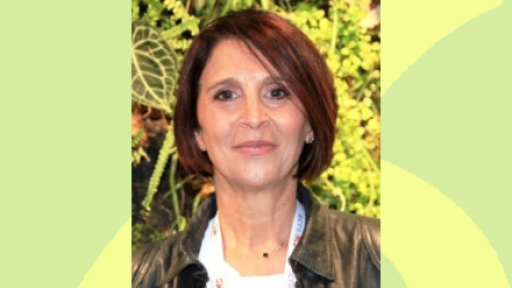
Professor Sandra Vukusic has won the 2026 Rachel Horne Prize for research that has improved pregnancy, treatment and care for women living with MS.
9 February 2026
In January this year the MS Trust held another successful MS Development Module, where MS health professionals from across the country came together to strengthen their skills and confidence in supporting people with MS. Geraldine Conway and May Farrow from MS Trust's Education team reflect on why continued professional education remains essential in every healthcare role.
From hospital stays and outpatient appointments to rehabilitation and long term support, people with MS are cared for in many different parts of the health system. When nurses and other healthcare professionals have a strong understanding of MS, it can make a real difference to your experience, your safety and your overall care.
For more than 20 years, MS Trust’s Multiple Sclerosis Development Module has helped nurses and allied health professionals build the knowledge and confidence they need to support people with MS. The course is accredited by CPD UK and gives participants the chance to earn academic credits while learning how to deliver high quality, evidence-based MS care.
The course, which was led by Dr Lou Jarrett; RGN PhD, MS Trust Module Lead and BCU associate; and Amanda Andrews; RGN, Senior Lecturer, Partnership Development and Support, Birmingham City University; combines online learning with face-to-face teaching sessions. This flexible approach means healthcare professionals can study at their own pace while still benefiting from in person discussions with MS experts and other professionals. By the time the students meet in the classroom, they’ve already refreshed their knowledge and are ready to explore MS care in more depth.
Over five focused days, the course covers the full picture of MS—from what happens in the central nervous system to how symptoms affect day to day life. Early sessions look at how MS works in the body and how modern treatments have changed the outlook for many people.
The programme then moves on to the symptoms and challenges that many people with MS experience, such as:
These are areas that healthcare professionals often see in practice but may not always feel fully prepared to manage. The course helps them build confidence in recognising and supporting these issues.
Importantly, the module emphasises holistic, person centred care, looking at the whole person, not just the condition. While sessions on advanced MS and palliative care highlight how to support families, recognise complex needs and work closely with different services.
The course has given me a wealth of information to pass onto patients and improve my practice.
January 2026 course attendee
A major strength of the course is its focus on evidence based practice. Participants learn how to understand research and apply it to real world care. This reflects MS Trust’s commitment to improving MS services through ongoing research.
Equally important is the voice of lived experience. People with MS (pwMS) contribute directly to the teaching, helping healthcare professionals understand what MS feels like beyond the textbooks. Their stories remind learners why empathy, communication and person centred care matter so much.
This course has given me an amazing grounding and will increase my confidence massively.
January 2026 course attendee
MS Trust plays a key role in supporting both pwMS and the professionals who care for them. Our free helpline offers expert information not only to the MS community but also to healthcare professionals who need guidance on symptoms, treatments or referrals.
The Trust invests in education programmes like the Development Module to make sure MS knowledge is spread across the NHS, not just within specialist teams. This helps reduce variation in care and ensures more people with MS receive consistent information and support.
Amazing lectures which were well organised and structured. The course has built my confidence to practice as an MS nurse.
January 2026 course attendee
Neurology nurses and allied health professionals are involved at many stages of the MS journey—diagnosis, relapses, rehabilitation, symptom management and long term follow up. When they have a deeper understanding of MS, it leads to:
The Multiple Sclerosis Development Module shows how structured education can improve the care you receive, wherever you are in the system.
Keep up-to-date with the latest MS news, explore new research, read the stories of people living with MS, find out practical tips from MS experts, and discover exciting fundraising opportunities
If you would like to sign up for post or telephone (SMS) updates you can complete our sign up form here