30 September 2026
Recognising excellence in women’s MS research
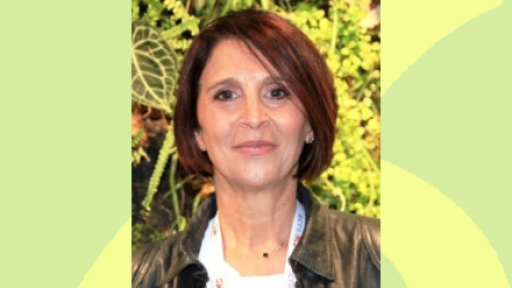
Professor Sandra Vukusic has won the 2026 Rachel Horne Prize for research that has improved pregnancy, treatment and care for women living with MS.
17 December 2025

Life expectancy for people with MS is now much the same as that for everyone else. This means that more people with MS are living to older ages.
Researchers Emma Richardson and Robert Motl at the University of Alabama explored quality of life for older people with MS. They found that a flexible approach to wellbeing and access to social support helped people to age well with MS.
Richardson and Motl interviewed 40 people aged between 60 and 85 with MS. There was an even spread of people with relapsing and progressive MS, and around three times as many women as men, as is the case in the real world. Participants had been diagnosed with MS for between 3 and 55 years. The researchers asked open ended questions about wellbeing. These included:
The researchers then analysed transcripts of the interviews to identify common themes. They used an approach called phenomenology, which puts lived experience at the heart of the research. The aim is to explore how the world we live in and our social interactions shape our everyday experiences.
The research was published in summer 2025.
With advances in MS care, the life expectancy of people with MS has risen, now matching the non-MS population. This so called ‘greying phenomenon’ has seen people with MS aged 55 – 65 becoming the largest age group within the United States. People with MS aged between 70 and 90 are also represented more than before.
This is the case in the UK as well. This development has sparked calls for research to focus on people’s quality of life as well as quantity of life, specifically what it means to ‘age well’ with MS and how this can be supported for everyone.
Richardson and Motl found that wellbeing was defined as, ‘Doing, Being, and Becoming’, but was affected by several other factors in a person's life. These factors included support from friends, family, or carers and access to healthcare services, which the researchers described as ‘sociocultural privilege’. How the participants described their health and talked about their MS was also important. A sense of 'owning the narrative' or being in control of their own story mattered.
Being able to do what they wanted was integral to wellbeing. While people acknowledged that they could not do everything they used to, they said that they can adapt what they do. In a similar vein, participants reported wellbeing as ‘being the person they want to be, and having the autonomy to do something’, or having the ability to ‘become someone different’.
People who felt isolated, or without close friends and families described their wellbeing as low or non-existent. Access to healthcare and basic commodities such as food, were also vital. Wellbeing was also shaped by the way in which someone saw their health and MS. Some people reported that they were ‘well and healthy despite their MS’, keeping a positive outlook. Others compared the past to where they were now, and that tended to negatively affect their wellbeing.
In demonstrating that wellbeing is something people ‘feel’, this research shows that wellbeing is fluid and dynamic, not a static ‘destination’ to arrive at. This promotes a more flexible, positive approach to wellbeing, and makes it clear that wellbeing can improve with the right resources and support.
Richardson and Motl hope that by placing the person with MS at the centre of research like this, they can show that people thrive when they are in control of their own wellbeing narrative. They hope that this can help drive change in practice and empower other individuals to view their wellbeing in a positive light.
While this research was conducted in America, the same principles apply for MS services in the UK. Similar research in a British context would help us gain a deeper awareness of the challenges facing older people with MS and what can be done to support them.
Reflections:
What does wellbeing mean to you?
What impacts your wellbeing?
If you are a health professional supporting older people with MS, how can you support your patient’s wellbeing?
To find out more about the research described here, see a summary of Emma Richardson and Robert Motl’s paper, ‘A Phenomenological Understanding of Aging “Well” With Multiple Sclerosis’
How ageing can affect your MS and what you can do about it : For more about how age can affect your MS.
Living well with MS : This page describes lifestyle choices that can help create a healthier later life.
Brain health : For more on keeping your brain active and healthy with MS.
Keep up-to-date with the latest MS news, explore new research, read the stories of people living with MS, find out practical tips from MS experts, and discover exciting fundraising opportunities
If you would like to sign up for post or telephone (SMS) updates you can complete our sign up form here