30 September 2026
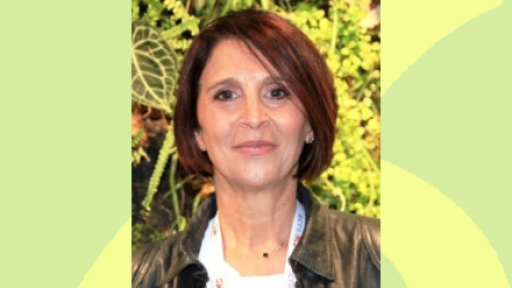
Recognising excellence in women’s MS research
Professor Sandra Vukusic has won the 2026 Rachel Horne Prize for research that has improved pregnancy, treatment and care for women living with MS.
14 September 2026
Assisted dying is currently not legal in the UK and a person helping someone to end their life may be at risk of prosecution. However, changes to the legislation on assisted dying have recently been debated in England and Wales, Scotland, Jersey and the Isle of Man.
Here we give an overview of the assisted dying debate across the UK.
There is no universally agreed definition of assisted dying. Many different terms are used in the assisted dying debate. In this article we use the following terms:
Assisted dying is illegal in England and Wales under the Suicide Act (1961), and in Northern Ireland under the Criminal Justice Act (1966) which states that anyone who “encourages or assists a suicide” is liable to up to 14 years in prison. Not all cases are prosecuted; in 2009, campaigner Debbie Purdy – who had MS – won a legal case which required the Director of Public Prosecutions to issue guidelines on what makes a prosecution more or less likely. Since 2009, six cases have been successfully prosecuted out of 209 cases referred to the Crown Prosecution Service.
There is no specific crime of assisting a suicide in Scotland, but it is possible that helping a person to die could lead to prosecution for culpable homicide or reckless endangerment. This approach generates considerable uncertainty about what conduct is and is not lawful.
On 11 September 2026 MPs voted against the proposed Terminally Ill Adults (End of Life) Bill.
The Bill would have allowed some terminally ill adults with less than six months to live to request assistance to end their own life, subject to legal safeguards. Following this vote, there will now be no immediate change to the law on assisted dying in England and Wales, although it may be debated again in the future.
More information on MPs voting against assisted dying.
The Assisted Dying for Terminally Ill Adults (Scotland) Bill was rejected by members of the Scottish Parliament on 17 March 2026. The Bill would have allowed terminally ill, mentally able people to request assistance to end their lives. Terminal illness includes people with a progressive condition deemed by doctors as 'unable to recover', regardless of the time they have left to live. Two independent doctors would assess each request and confirm that the person is acting voluntarily and not being coerced. After a 14-day reflection period, a health professional would provide self-administered, life-ending drugs and remain present while the medicines are taken.
The UK has three self-governing crown dependencies that make their own laws.
On 26 February 2026 the Jersey States Assembly approved a law to allow terminally ill adults the right to choose to end their own lives, making it the first part of the British Isles to do so.
The Isle of Man has taken the final legislative step towards assisted dying becoming law, with the Manx Parliament approving the remaining amendments to the Assisted Dying Bill before it proceeds for Royal Assent.
In Guernsey, assisted dying was last debated in 2018 and not passed. The States Government agreed to look first at ensuring good long term care and quality of life towards the end of life.
The issue of assisted dying understandably creates decidedly polarised views within the MS community. With many people either strongly in favour or strongly against, and very little middle ground.
As an organisation MS Trust maintains a neutral stance on assisted dying. This means that we do not actively campaign for or against a change in the law.
Why do we remain neutral?
Multiple sclerosis is a progressive neurological disorder. While there is no cure and advanced MS may leave someone vulnerable to life threatening complications, MS itself is very rarely terminal. People can potentially live with an advanced form of the disease for many years. Accurately predicting the disease trajectory is almost impossible, as it is unique to each person.
At MS Trust, we are committed to supporting everyone affected by MS, through all stages of the condition. Part of this is ensuring there is access to quality palliative care for the advanced stages of the disease available when required and irrespective of location. Whatever stage of MS a person is at they need to be guaranteed the specialist provision and dignity everyone deserves.
We actively work to address problems with access to specialist care in the UK and the lack of support for family carers, through our information resources and our Advanced MS Champion programme. Our ultimate objective is to ensure people can make informed choices about the end-of-life options available and right for them.
Keep up-to-date with the latest MS news, explore new research, read the stories of people living with MS, find out practical tips from MS experts, and discover exciting fundraising opportunities
If you would like to sign up for post or telephone (SMS) updates you can complete our sign up form here