30 September 2026
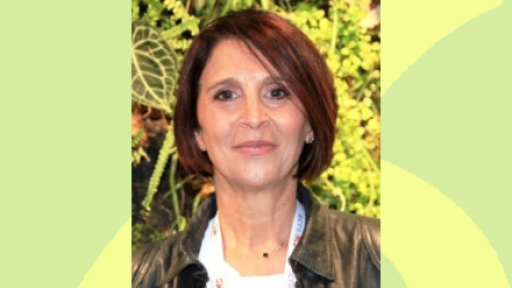
Recognising excellence in women’s MS research
Professor Sandra Vukusic has won the 2026 Rachel Horne Prize for research that has improved pregnancy, treatment and care for women living with MS.
15 May 2023
The Multiple Sclerosis Trust has released a new report which highlights the impact of MS symptoms on mental health, and the lack of support services for people with MS who are struggling with mental health issues.
In January 2023, we surveyed over 2000 people living with MS on a range of issues relating to everyday life. Our previous survey in 2022, Life changing: the hopes and fears of the MS community, had shown us that mental health was a key concern for people with MS, and so we added new questions to give us a deeper insight into mental health and MS.
We found that 56% of our survey respondents reported that MS had affected their mental health moderately or severely. Many more than this had experienced at least some mental health symptoms. MS symptoms, particularly fatigue, walking difficulties, or problems with bladder or bowel function, were reported to have a major impact on mental health. Our survey respondents shared the distress, difficulties and isolation that MS symptoms caused for them.
You can read our report, Life changing: mental health and MS (PDF, 306KB).
The impact isn't directly on my mental health because I'm pretty well balanced, I think. But the pain, fatigue, not being able to do stuff upsets me and I can feel an increased reluctance to even try to do stuff that causes me pain/fatigue, or because I'm afraid of falling etc. Even going to the shop, will I be able to get round holding a trolley before I reach my limit, will I be able to get back to the car, drive home, get back in the house? I can't carry shopping in, I have to wait for my son. My world has contracted, and I'm scared to try because failure means I'm stuck until help arrives.
Survey respondent, 2023
We also found that not everyone is getting the support they need. 30% of people with MS and a mental health symptom had not discussed their concerns with anyone at all. Less than 22% of this group had received professional mental health support. 38% of all survey respondents indicated that they would like to have more support with their mood or emotions, showing a clear unmet need for better mental health services for people with MS.
Our report shows that we should be aware that physical MS symptoms like bladder or bowel issues can have mental health impact too. If these are not treated or managed, then there can be an impact on mood, relationships and general quality of life.
The MS Trust believes that there is more that can and should be done about this. We are the only charity working with the NHS to place additional MS health specialists in the areas of greatest need across the UK. Mental and emotional support needs are explored in the educational programmes that we run for all new MS specialists. We also continue to run our information service, which provides a lifeline for people dealing with the complexities of life with MS when they are unable to access other support.
This MS Awareness Week, the MS Trust worked with six other MS charities to raise awareness of this problem and to empower people with MS to talk honestly about the way that MS can make you feel.
We also worked with five of the MS charities to develop a strong joint policy position and to launch a call for better mental health support for people living with MS. You can read about the joint policy position here.
If you or someone you know are struggling with mental health problems as a result of living with MS, you can find organisations that offer emotional support or get in touch with our MS Trust helpline on 0800 32 3839 or helpline@mstrust.org.uk
Keep up-to-date with the latest MS news, explore new research, read the stories of people living with MS, find out practical tips from MS experts, and discover exciting fundraising opportunities
If you would like to sign up for post or telephone (SMS) updates you can complete our sign up form here