30 September 2026
Recognising excellence in women’s MS research
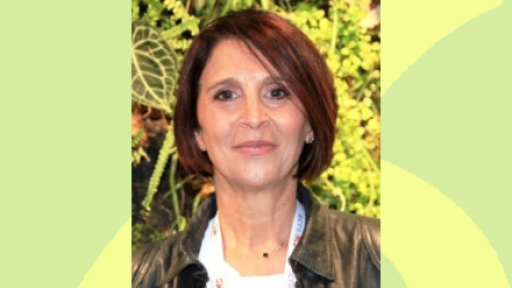
Professor Sandra Vukusic has won the 2026 Rachel Horne Prize for research that has improved pregnancy, treatment and care for women living with MS.
10 February 2026

Adrian shares his experience of being diagnosed with MS after brushing off strange symptoms and blaming them on stress. Adrian shares the importance of finding your own anchors in your diagnosis journey.
When I look back to 2008, my life feels divided into two clear eras: before MS and after MS. I was 24, living the life of a typical young adult, and when the first signs appeared, I didn’t jump to the worst case scenario. Like so many of us, I blamed everything on stress.
Stress explains almost anything when you’re young and busy. I had tingling fingers, wobbly legs, lots of odd sensations that I brushed off.
It was when my hand stopped working that I reluctantly called the GP.
The path to diagnosis was lined with tests such as, an MRI and a lumbar puncture. Necessary, but far from pleasant. The moment of diagnosis wasn’t dramatic or emotional in the way films portray such things. It was, strangely, awkward. I was sat in a room with the doctor, he looked uncomfortable and I felt uncomfortable. The news hung between us.
Two humans, sharing a moment that neither of us quite knew how to navigate.
Back then, the support landscape felt confusing. I didn’t instantly find MS Trust. I didn’t feel held or guided. I felt alone, initiated into a club I never asked to join.
It wasn’t until much later that I discovered MS Trust. Their clear, friendly, professional guidance has become invaluable.
I only wish I'd found them sooner.
I have found that MS does not follow a script, the uncertainty is one of the hardest parts to deal with. Waking up and not knowing what your body will or won’t do that day. In 2011, I woke up to find my right eye had stopped working. It never truly returned. During the Covid pandemic, a gap in care meant losing accurate control of my left arm.
These weren’t simple flare ups, they were milestones of loss. I now use a Blue Badge.
The mental toll of MS is difficult to explain. Some days feel heavy, crowded with thoughts of everything MS has or might take from me. So I found myself an anchor, to help me get through the uncertainty of MS. For me, that anchor is people- the ones who keep me grounded, sometimes it’s through big gestures, but often it’s the quieter acts that feel most grounding. People who treat me as me, not a medical condition.
MS Trust can help to make sense of MS, it helps to clear the path within the landscape of support. It can feel overwhelming the amount of information out there, so stick to resources like the ones from MS Trust which you know you can trust.
If I could speak to someone newly diagnosed, I would tell them to find their own path through the noise.
There will always be someone who has it worse, and others who have it easier. There will be someone who insists they cured MS by eating ‘magic beans’. You will learn to simply smile politely at these comments.
The confusion, the grief, the fear, it's all normal.
MS has changed me profoundly. It has forced me to find strength in crumbling situations and to find humour in the dark.
Keep up-to-date with the latest MS news, explore new research, read the stories of people living with MS, find out practical tips from MS experts, and discover exciting fundraising opportunities
If you would like to sign up for post or telephone (SMS) updates you can complete our sign up form here